Cervical Cancer Screening: Importance, Types & Early Detection.
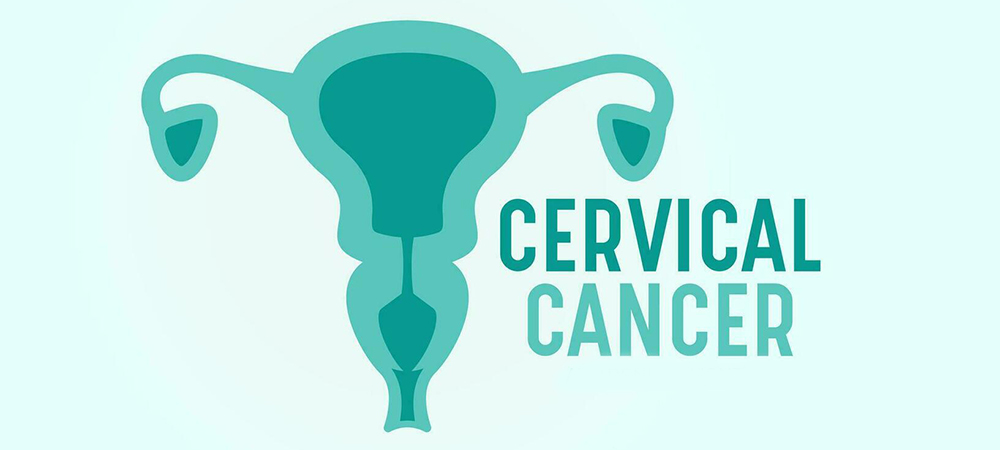
Cervical cancer is very preventable. A significant number of women are impacted by this condition every year. It is all about a lack of awareness and late screening. Many women feel healthy and do not feel the need for regular checkups. This does not make them aware that cervical cancer usually develops without early symptoms.
That is where screening for cervical cancer is life saving.
Early cervical cancer can be diagnosed and even prevented altogether with the appropriate screening tests at the appropriate time.
The importance of cervical cancer screening.
- Early detection of cervical cell abnormalities
- Prevent the development of cervical cancer
- Reduce the requirement for extensive treatments in the future
- Increase chances of survival
Most of the women usually only turn to medical care when the disease manifests itself in such symptoms as abnormal bleeding or pain in the pelvis.It can already be at an advanced stage.
Screening prevents the loss of lives, even before the symptoms begin.
Types of Cervical Cancer Screening Tests
Contemporary medicine provides effective and simple screening tests which are fast, safe and efficient. We will consider the most widespread ones.
Pap Smear Test
Among the most popular and reliable screening procedures for cervical cancer, there is the Pap Test.
Why it matters:
- Early detection of abnormal cell changes
- Helps prevent cervical cancer
- Basic and prompt outpatient test
HPV Test
The HPV test is specifically designed to detect high risk types of HPV, which may cause cervical cancer.
The significance of the HPV test facts:
- Early detection of high risk infections
- Predict the risk of developing cervical cancer
- Provide better long-term reassurance in case of negative results
Physicians prescribe HPV testing as a standalone test or in combination with a Pap smear as per age and medical history.
Co-Testing
It is a combination of a Pap smear test and an HPV test that is more effective as a screening procedure.
Benefits:
- Higher accuracy
- Early diagnosis of both abnormal cells and HPV infection
- Prolonged screening in case of normal results
The use of this method is usually advised for women who are over the age of 30.
How Often Should Women Get Screened?
Depending on the type of test and the risks of an individual, screening intervals can be different depending on age. Nevertheless, overall rules involve:
- A Pap smear is advised once in 3 years for women aged 21 to 29.
-
Ages 30 - 65:
- Pap smear every 3 years
- HPV test every 5 years
- Co-testing every 5 years
Your doctor may adjust this schedule based on your health history.
Early Detection: The Greatest Benefit
Early detection is one of the most enabling factors.
When detected early:
- It is easier and more effortless to treat.
- It may have fertility preserving options.
- Survival rates are very high.
- Emotional and physical heavy loads decreased.
Late stage cervical cancer can be treated with aggressive measures such as surgery, radiation and chemotherapy.
Women's Cancer Awareness
Women often prioritize their families, work and responsibilities over their own health. Increasing awareness and motivates women to:
- Take charge of preventive health
- Normalize regular screenings
- Encourage friends and family to take tests
- Reduce fear through education
Choosing the Right Physician
A trusted doctor ensures:
- Recommendations on appropriate screening
- Proper interpretation of results
- Compassionate guidance and follow-up care
Last Reflections: Your Health, Your Power
We can prevent cervical cancer, but only when we are early. Regular screening for cervical cancer and knowledge of the Pap smear test and the significance of the HPV test would be the difference.
Make the first step today towards prevention.
Make an appointment with Dr. Sahithi Balmuri and get to know more about preventive care in women.
- 01. What is cervical cancer screening and why is it important?
- Cervical cancer screening helps detect abnormal cells before they turn into cancer. Regular screening allows early detection and prevention, reducing the need for complex treatments later.
- 02. Which tests are used for cervical cancer screening?
- The most common tests are the Pap smear and HPV test. A Pap smear checks for abnormal cells, while the HPV test detects high-risk virus types linked to cervical cancer.
- 03. How often should I get a Pap smear or HPV test?
- Screening frequency depends on age and risk factors. Generally, women aged 21–29 need a Pap smear every 3 years, while those 30–65 may need Pap, HPV, or co-testing at recommended intervals.
- 04. Can cervical cancer develop without symptoms?
- Yes, cervical cancer often develops without early symptoms. That’s why regular screening is essential, as it helps detect changes before noticeable signs appear.
- 05. Is cervical cancer screening painful or risky?
- No, screening tests are quick, safe and usually cause minimal discomfort. They are simple outpatient procedures that take only a few minutes to complete.
- 06. When should I consider cervical cancer screening?
- You should start screening from early adulthood as advised by your doctor. Even without symptoms, routine screening is important for long-term women’s health and prevention.