How does weight-loss help in PCOS?
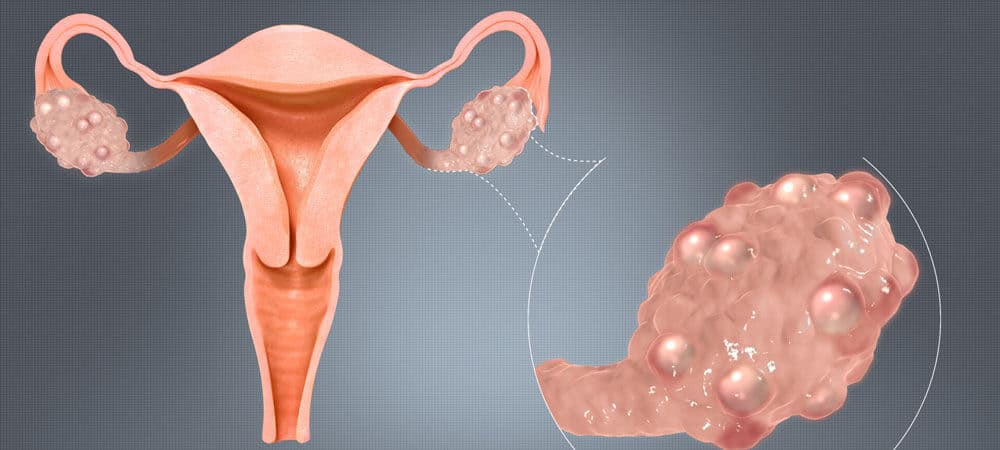
Polycystic Ovary Syndrome (PCOS) is a common hormonal disorder affecting people with ovaries. One of the key components in managing PCOS is weight loss. In this blog, we will explore the intricate relationship between weight loss by effective exercise for managing PCOS and understand how shedding those extra pounds can have a positive impact on overall health.
Understanding the Link
Insulin Resistance and Weight Gain
Many individuals with PCOS experience insulin resistance, a condition where the body's cells don't respond properly to insulin. This can lead to weight gain, especially around the abdomen. Excess weight further exacerbates insulin resistance, creating a cycle that can be challenging to break.The diagnostic process begins with a thorough medical history assessment. Your healthcare provider will inquire about your menstrual cycles, symptoms like acne and excess hair growth, weight changes, and any family history of PCOS. A physical examination may also be conducted to check for signs like acne, hirsutism, and obesity.
Effect on Hormone Levels
Adipose tissue (fat cells) can produce hormones and chemicals that disrupt the delicate hormonal balance in the body. This can lead to elevated levels of androgens (male hormones) and estrogen, worsening PCOS symptoms.
Benefits of Weight Loss in PCOS Management
Improved Insulin Sensitivity
Losing weight helps improve insulin sensitivity, making it easier for cells to use insulin effectively. This can lead to more stable blood sugar levels and reduced risk of type 2 diabetes.
Regulated Hormones
Weight loss can help regulate hormone levels, including androgens and estrogen. This can lead to reduced symptoms such as acne, hirsutism (excessive hair growth), and irregular periods.
Enhanced Fertility
For individuals trying to conceive, weight loss can enhance fertility by regulating ovulation and improving the chances of natural conception or successful fertility treatments.
Reduced Cardiovascular Risk
PCOS increases the risk of cardiovascular diseases. Weight loss can help lower blood pressure, cholesterol levels, and the risk of heart-related complications.
Strategies for Effective Weight Loss
Balanced Diet
Adopting a balanced, nutrient-rich diet with a focus on whole foods, lean proteins, fiber, and healthy fats can aid weight loss and improve overall health.
Regular Physical Activity
Engaging in regular exercise, including aerobic activities and strength training, can help burn calories with exercise for managing PCOS, increase metabolism, and improve insulin sensitivity.
Lifestyle Modifications
Incorporating stress management techniques, adequate sleep, and mindful eating can contribute to successful and sustainable weight loss.
Weight loss is a powerful tool in managing PCOS and improving overall health. While it may require dedication and patience, the benefits are worth it. However, it’s important to approach weight loss as a holistic journey that focuses on long-term health rather than quick fixes. If you have PCOS, consult a healthcare professional before making any significant changes to your diet or exercise routine. With the right strategies and support, you can take control of your PCOS and pave the way for a healthier, happier life.
- 01. How does weight loss help in managing PCOS symptoms?
- Weight loss helps improve insulin sensitivity and balance hormone levels in women with PCOS. Even a small reduction in weight can regulate menstrual cycles, reduce excess androgen levels, and improve overall metabolic health, making symptoms easier to manage.
- 02. Can losing weight improve irregular periods in PCOS?
- Yes, weight loss can help regulate menstrual cycles by improving hormonal balance. As insulin resistance reduces, ovulation becomes more regular, which can lead to more predictable periods and better reproductive health.
- 03. Does weight loss improve fertility in women with PCOS?
- Weight loss can improve ovulation and increase the chances of natural conception. By reducing hormonal imbalance and insulin resistance, it supports better reproductive function and may enhance outcomes of fertility treatments if needed.
- 04. How much weight loss is needed to see improvements in PCOS?
- Even a modest weight loss of around 5–10% of body weight can make a significant difference. This level of reduction can improve insulin function, hormone balance, and symptoms like acne, irregular periods, and excess hair growth.
- 05. What is the best way to lose weight with PCOS?
- A combination of a balanced diet, regular exercise, and consistent lifestyle habits works best. Focusing on whole foods, reducing refined sugars, staying active, and managing stress can support sustainable weight loss and long-term health.
- 06. Can weight loss reduce long-term health risks associated with PCOS?
- Yes, maintaining a healthy weight can lower the risk of diabetes, heart disease, and other metabolic conditions linked to PCOS. It also improves overall energy levels and supports better long-term health outcomes.